Obesity
RoutineOverview
The most common preventable health problem in urban pet dogs, and the one most often mistaken for good health — in many places a round dog is still frequently read as a well-cared-for dog. Excess weight is not cosmetic: it measurably shortens life, and it worsens nearly everything else in this encyclopedia — it accelerates arthritis and hip and elbow dysplasia, strains the heart and airway, sharply raises heatstroke risk (a critical concern in hot climates), predisposes to diabetes and to cruciate ligament rupture, and raises anaesthetic risk. Common drivers are free-feeding, table scraps and other human food, biscuits and treats used as affection, unmeasured portions, and too little exercise. Assessment is by body condition score — a hands-on judgement of whether you can feel the ribs and see a waist — not by the number on a scale, which means nothing without a breed and frame to compare it to. Weight loss is achieved by measured portions of a diet the vet specifies, treats counted within the daily allowance, and a gradual increase in exercise; crash dieting is harmful. This is a condition owners control completely, which is precisely why it deserves a monograph rather than a footnote.
What you would notice
- Ribs cannot be felt easily under a flat palm
- No visible waist when seen from above; no belly tuck from the side
- Reluctance to walk, play, or climb stairs; tires quickly
- Panting on mild exertion or in mild heat
- Difficulty grooming; skin problems in fat folds
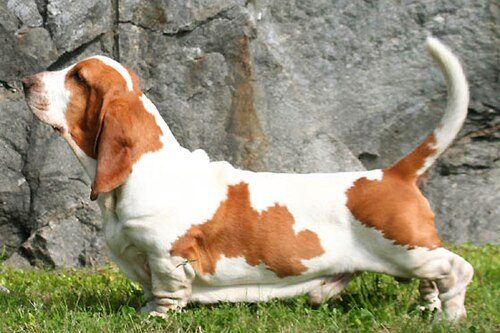
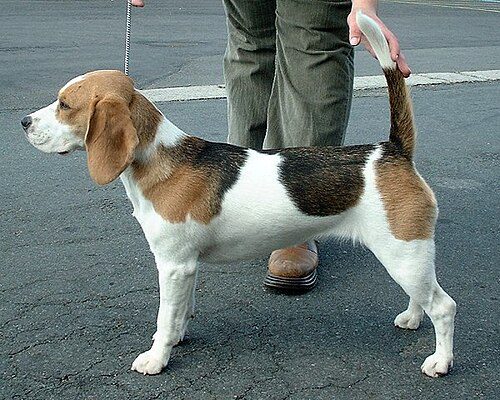
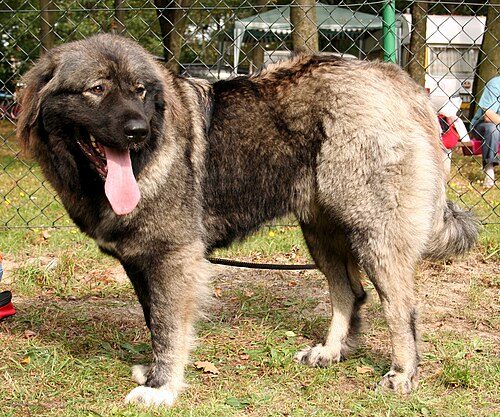
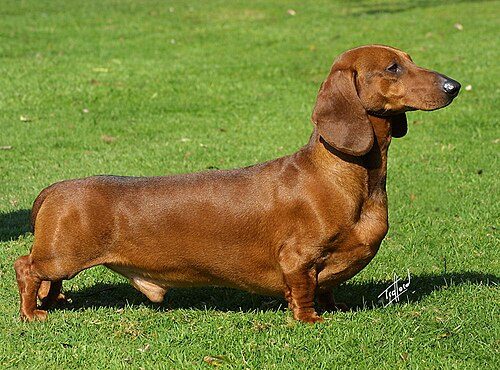
Predisposed breeds
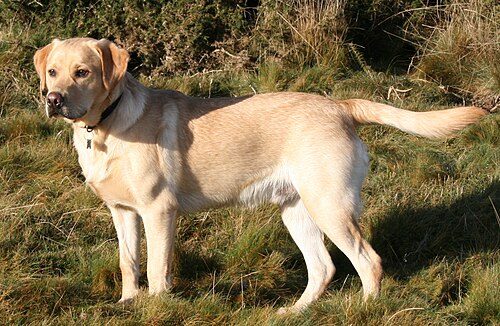
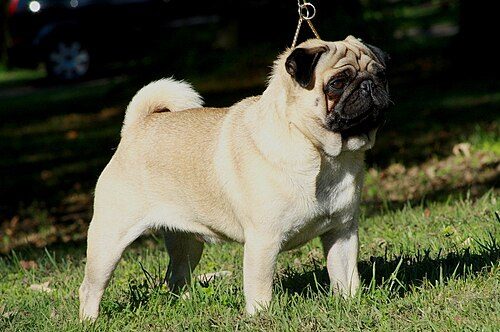
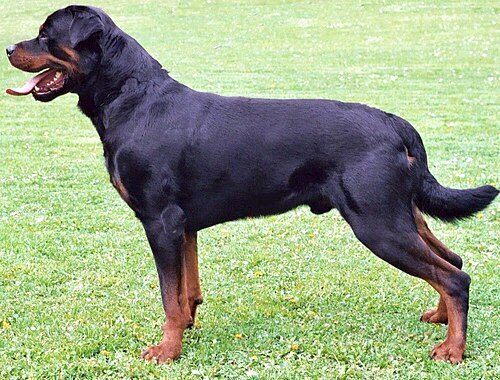
Sources
- WSAVA global guidelines (wsava.org)
- AAHA guidelines (aaha.org)
- Merck Veterinary Manual (merckvetmanual.com)