Heatstroke (hyperthermia)
EmergencyOverview
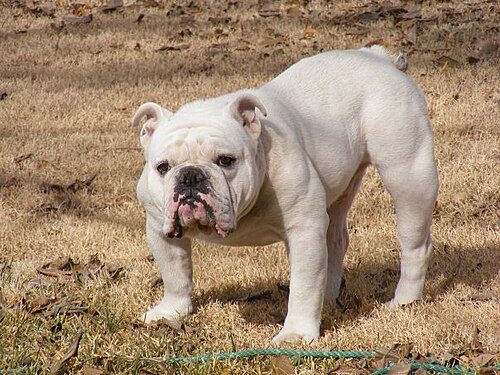
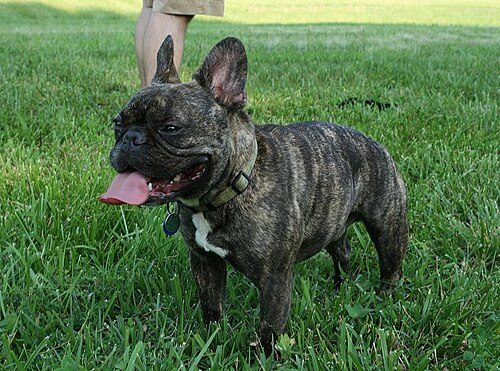
The single most preventable canine emergency in hot climates, and the one most under-represented in Western references. Dogs shed heat almost entirely by panting, so high humidity — not just high temperature — is what kills: a hot, humid tropical afternoon can be lethal well below the temperature at which a dog from a temperate climate would be at risk. Brachycephalic breeds (Pug, Bulldog, Boxer, Shih Tzu), thick-coated northern breeds (Husky, Saint Bernard, German Shepherd), obese dogs, puppies, seniors, and any dog with laryngeal or airway disease are far more vulnerable. Classic triggers are a midday walk on hot tarmac, exercise or play in the sun, and being left in a parked car or on an unshaded balcony or terrace. Heatstroke is a true emergency: it damages the gut lining, kidneys, and clotting system, and a dog that appears to recover can deteriorate hours later. Begin cooling immediately with cool (not iced) water over the body while arranging transport, and get to a vet even if the dog seems to improve — the internal damage is not visible. Prevention is walking at dawn and dusk, unlimited shade and water, and never leaving a dog in a stationary vehicle.
What you would notice
- Frantic, non-stop panting that does not settle with rest
- Bright red or brick-coloured gums, thick ropey drool
- Wobbliness, collapse, or refusal to stand
- Vomiting or diarrhoea, sometimes bloody
- Rectal temperature above roughly 40 °C
- Confusion, seizures, or unresponsiveness in late cases
Predisposed breeds
Sources
- Merck Veterinary Manual (merckvetmanual.com)
- MSD Veterinary Manual (msdvetmanual.com)