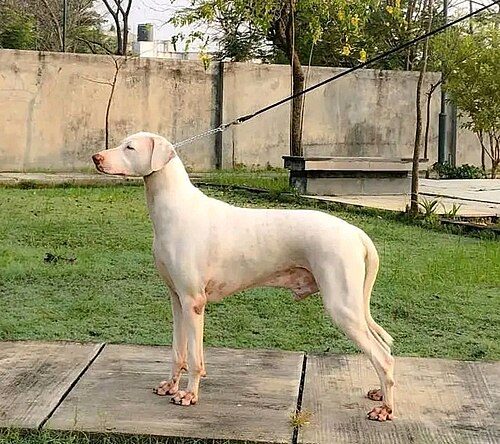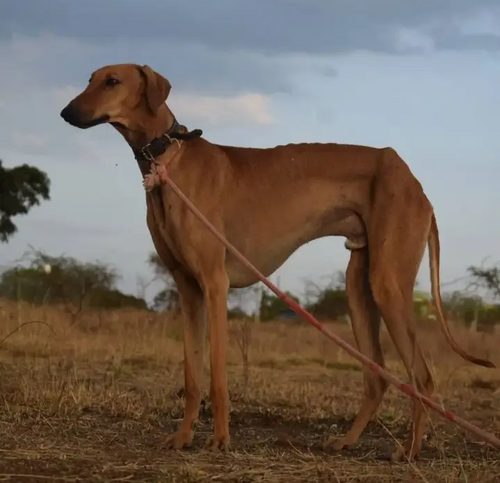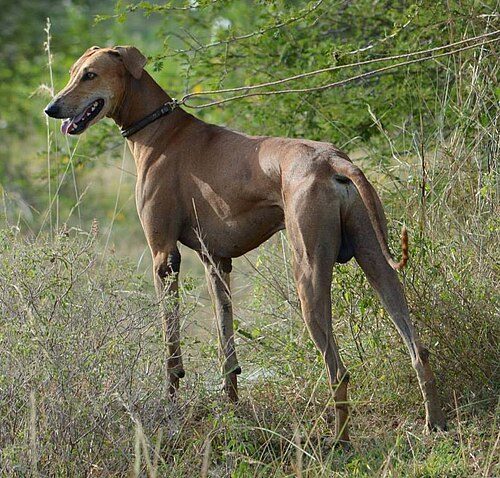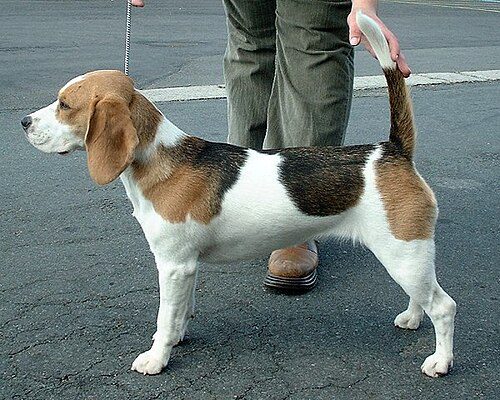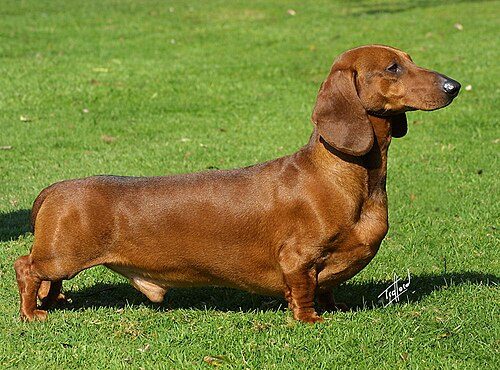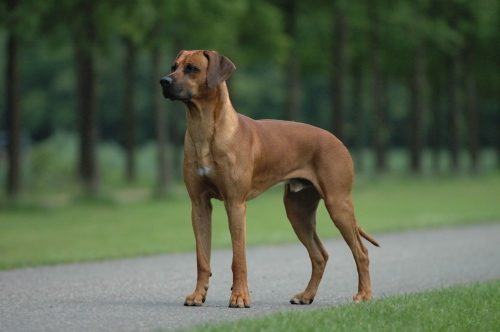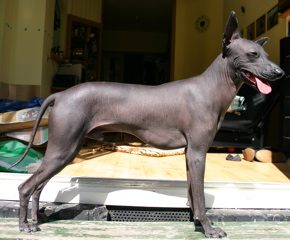
Peruvian Inca Orchid (Perro Sin Pelo del Perú)
| Size at withers | 40–65 cm |
|---|---|
| Weight range | 4–25 kg |
| Life expectancy | 11–12 years |
| Size class | Small–Medium (10–25 kg) |
| Normal resting vitals | Heart rate 70–120 bpm · Respiration 15–30/min · Temperature 38.3–39.2 °C |
| Temperament | Alert, affectionate with family, aloof with strangers |
| Common health issues | Skin sensitivity (hairless); dental disease |
| Exercise needs | Moderate |
| Climate & housing suitability | Excellent for hot climates; the hairless variety needs sun protection. |
| Owner notes | A sacred dog of pre-Incan cultures. |
Origin and purpose
Sighthound (FCI). Origin: Peru; ancient (pre-Incan).
A sacred dog of pre-Incan cultures.
What a breed was built to do explains most of what it will do in your home. A dog selected for hundreds of years to run, guard, herd, or hunt does not stop wanting to because it now lives in an apartment — the drive is the breed, and the owner's job is to give it somewhere to go.
Temperament and training
Stated temperament: Alert, affectionate with family, aloof with strangers
A guarding breed: it is naturally suspicious of strangers, and that is what it was bred for. Early, broad, positive socialisation — many people, many places, many situations, before sixteen weeks — is not optional for this breed; it is the difference between a discriminating guardian and a dangerous liability. A guarding dog that has not been socialised is a problem you have created, not a temperament you have discovered.
Conditions this breed is predisposed to
Atopic dermatitis (canine atopy)
Periodontal disease
Health screening — what to test, and when
| Screen for | Test | When |
|---|---|---|
| Atopic dermatitis (canine atopy) | No screening test; allergy testing once disease is established | On recurrent itching, ear disease, or paw licking |
| Periodontal disease | Oral examination; dental radiographs under anaesthesia | Annually from 2 years — earlier and more often in toy breeds |
Every dog, every breed: an annual health examination (twice yearly from seven years), body-condition scoring at each visit, dental assessment, year-round parasite control, and the core vaccinations.
For breeders — test before you mate
- Atopic dermatitis (canine atopy) — No screening test; allergy testing once disease is established
Feeding
The most forgiving size to feed. A good-quality complete diet appropriate to the life stage, measured with a cup or scales rather than judged by eye, split into two meals a day. Weigh the food; guessing is how dogs get fat. Treats counted within the daily allowance, not added on top.
Exercise and enrichment
Stated requirement: Moderate
Moderate daily exercise plus mental stimulation. Adaptable to apartment life provided the daily walk actually happens every day.
Climate and living conditions
Stated suitability: Excellent for hot climates; the hairless variety needs sun protection.
Sighthound note: dogs of this type carry very little body fat and metabolise some anaesthetic agents differently, which means anaesthesia carries particular considerations. Tell any vet who has not treated a sighthound before, ideally in advance of any procedure. They also chill easily and bruise readily.
Ageing and senior care
Life expectancy: 11–12 years. This dog is a senior from around 8–9 years, at which point wellness examinations should move to twice a year and senior blood and urine screening begins. Watch for the gradual onset of arthritis, dental disease, and the endocrine conditions of middle age. Senior care →
Before you take one home
- Ask the breeder for the health-test results listed above — for BOTH parents, on paper, before you pay a deposit. A breeder who has done the tests will be proud to show you; one who deflects, or who tells you the tests are unnecessary in this line, is telling you what you need to know.
- Sighthound: confirm the breeder or vet is aware of the anaesthetic considerations, and plan for secure fencing and lead-walking near roads.
- Consider adoption. Shelters and rescues have dogs of every kind, including purebreds, and the local native or landrace dog is often healthier, better adapted to its climate, and more in need of a home than almost anything you can buy. See Part XII.