von Willebrand disease
RoutineOverview
The most common inherited bleeding disorder of dogs: a deficiency of von Willebrand factor, a protein needed for platelets to plug a damaged vessel. Doberman Pinscher is the classic breed (a large proportion of the breed carries it), with Scottish Terrier, Shetland Sheepdog, German Shepherd, and Standard Poodle also affected. Most dogs live normally and the disease only announces itself as unexpected, hard-to-stop bleeding during a routine procedure — which is exactly why it matters: a DNA or blood test BEFORE elective surgery in an at-risk breed is the entire point. There is no cure; management is avoiding unnecessary surgery, testing before any that is necessary, and telling every vet who treats the dog. Breeders of affected breeds should test and select against it (see the breeding ethics part).
What you would notice
- Prolonged bleeding after surgery, neutering, or a lost tooth
- Recurrent nosebleeds
- Bleeding gums, or blood in urine or stool
- Excessive bruising
- Often no signs at all until the dog is injured or operated on
Predisposed breeds

Doberman Pinscher

German Pinscher
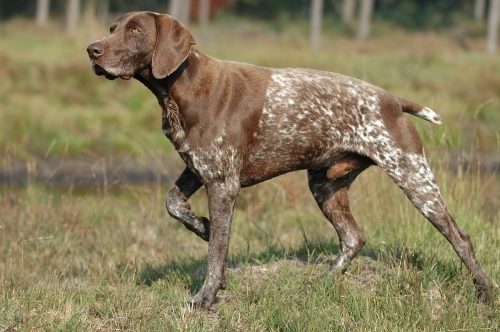
German Shorthaired Pointer

German Wirehaired Pointer
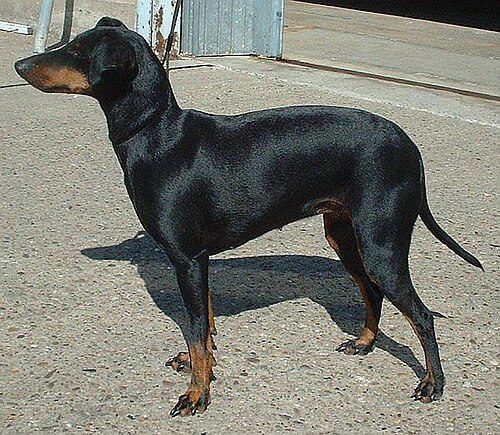
Manchester Terrier
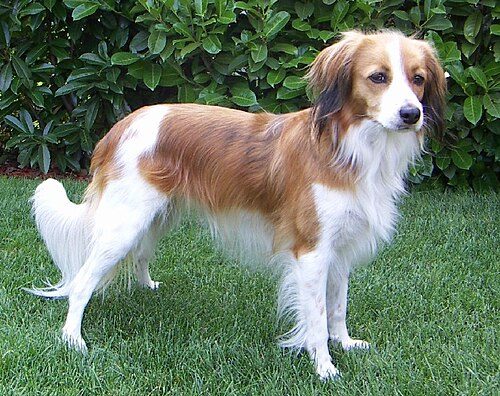
Nederlandse Kooikerhondje
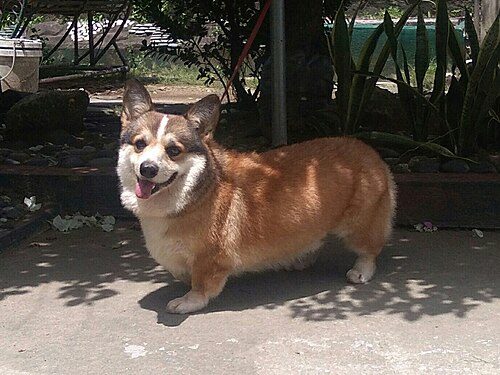
Pembroke Welsh Corgi
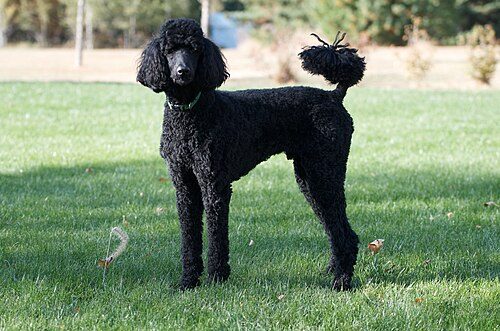
Poodle (Standard / Miniature / Toy)
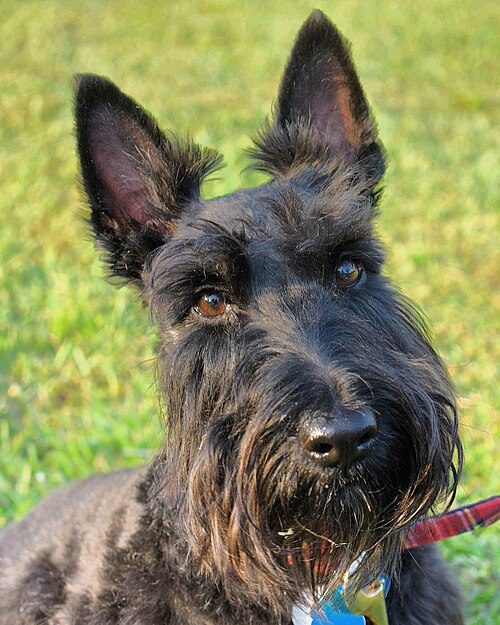
Scottish Terrier (Scottie)

Toy Fox Terrier

Weimaraner
Sources
- Merck Veterinary Manual (merckvetmanual.com)
- MSD Veterinary Manual (msdvetmanual.com)