Urogenital
Fanconi syndrome
UrgentURGENT. See a veterinarian within hours, not days.
Overview
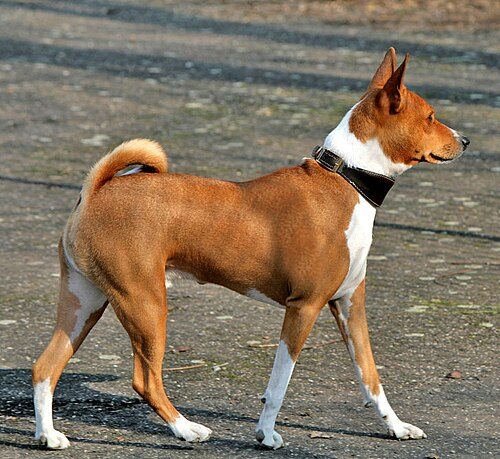
The kidney tubules fail to reabsorb the nutrients the body has already filtered, so glucose, amino acids, and electrolytes are lost in the urine. The classic clue is glucose in the urine of a dog whose blood glucose is entirely normal — which means it is sometimes misdiagnosed as diabetes, a mistake with serious consequences. It is inherited in the Basenji, where it is common enough that regular urine glucose monitoring is recommended for the life of the dog, and it can also be acquired. There is a DNA test for the Basenji form. It is managed, not cured, by replacing what is being lost under close veterinary supervision, and dogs can do well for years with committed monitoring.
What you would notice
- Drinking and urinating far more than normal
- Weight loss despite a normal appetite
- Poor coat and general condition
- Weakness; in advanced cases, collapse
- Often first suspected when routine urine testing shows glucose in a dog with normal blood sugar
Non-prescriptive. This entry deliberately does NOT name specific drugs,
doses, routes, or durations. Treatment decisions rest with a licensed veterinarian who
has examined your dog and considered its history.
Draft — vet review pending. This entry has not yet been signed off by a registered veterinarian.
Predisposed breeds

Sources
- Merck Veterinary Manual (merckvetmanual.com)
- MSD Veterinary Manual (msdvetmanual.com)
Was this condition entry useful?