Congenital deafness
RoutineOverview
Present from birth and permanent. It is strongly linked to the genes that produce white coats, merle patterning, and blue eyes — which is why it appears in the Dalmatian, the Australian Cattle Dog, the Bull Terrier, merle herding breeds, and, in India, in the white Rajapalayam. Deafness may be in one ear (easily missed; the dog behaves almost normally) or both. It is diagnosed definitively by a BAER test, which measures the brain's electrical response to sound and can be done in a puppy. A deaf dog can live a full, happy life on hand signals and vibration cues, but it must never be off-lead near traffic and must be woken by touch on the body, gently and predictably, never by surprise. Because it is heritable, affected dogs and — for the merle-linked form — merle-to-merle matings are the breeder's responsibility to avoid.
What you would notice
- A puppy that does not startle at a loud noise behind it
- Sleeps through sounds that wake its littermates
- Does not respond to its name, but responds instantly to being seen or touched
- Excessive barking, or a bark with an unusual quality
- Hard to rouse from sleep; may startle and snap when woken by touch
Predisposed breeds
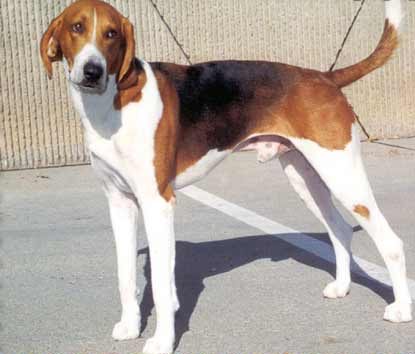
American Foxhound
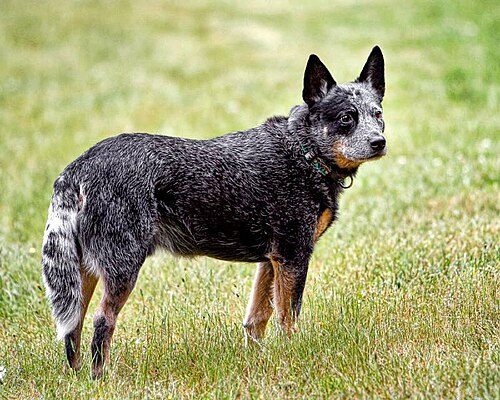
Australian Cattle Dog
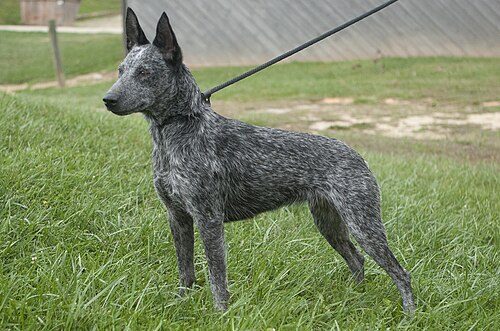
Australian Stumpy Tail Cattle Dog
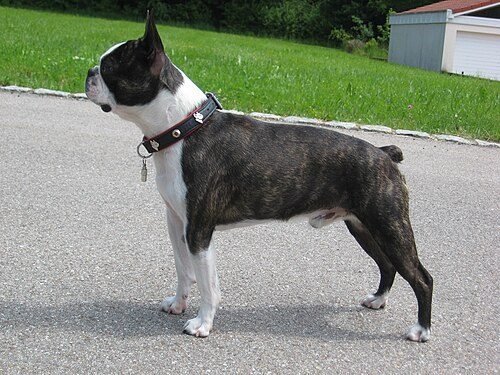
Boston Terrier
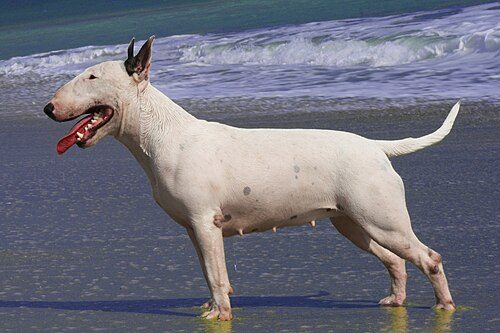
Bull Terrier

Dalmatian

Dogo Argentino
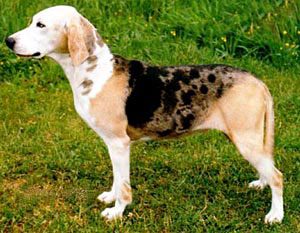
Dunker (Norwegian Hound)
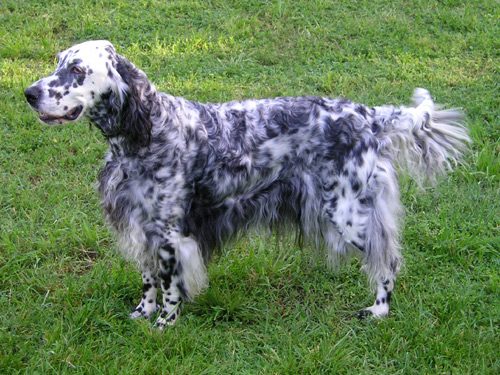
English Setter
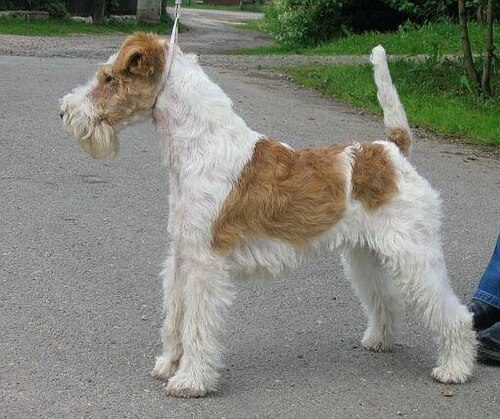
Fox Terrier (Wire)
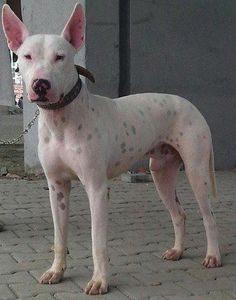
Gull Terrier

Havanese
Sources
- Merck Veterinary Manual (merckvetmanual.com)
- Orthopedic Foundation for Animals — breed screening databases (ofa.org)