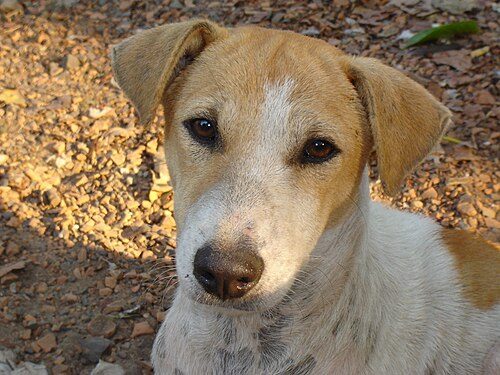
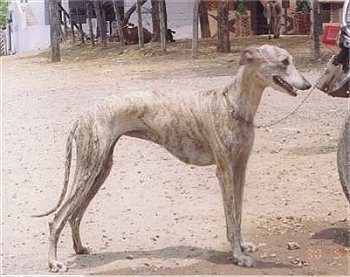
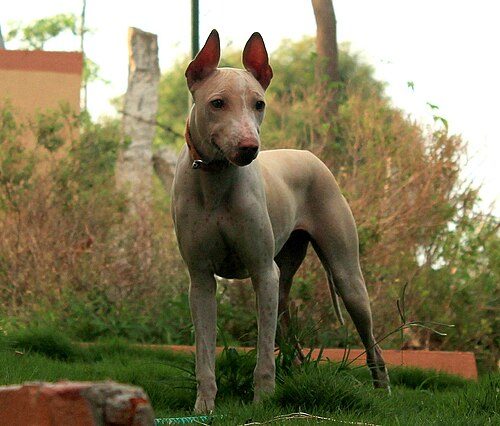
Toda Dog
| Size at withers | 40–50 cm |
|---|---|
| Weight range | 12–18 kg |
| Life expectancy | 12–14 years |
| Size class | Small–Medium (10–25 kg) |
| Normal resting vitals | Heart rate 70–120 bpm · Respiration 15–30/min · Temperature 38.3–39.2 °C |
| Temperament | Alert, herding, buffalo-companion |
| Common health issues | Robust landrace |
| Exercise needs | Moderate |
| Climate & housing suitability | Excellent for cool, temperate highland climates. |
| Owner notes | A traditional dog of the pastoralist Toda community of the South Indian hills. |
Origin and purpose
Landrace. Origin: Nilgiris (Toda community).
A traditional dog of the pastoralist Toda community of the South Indian hills.
What a breed was built to do explains most of what it will do in your home. A dog selected for hundreds of years to run, guard, herd, or hunt does not stop wanting to because it now lives in an apartment — the drive is the breed, and the owner's job is to give it somewhere to go.
Temperament and training
Stated temperament: Alert, herding, buffalo-companion
Reward-based training from the day the puppy arrives, with the socialisation window (roughly three to sixteen weeks) treated as the priority it is — what happens in those weeks shapes the adult dog more than anything you do later. Short, frequent, positive sessions. See Parts IV and IX.
Feeding
The most forgiving size to feed. A good-quality complete diet appropriate to the life stage, measured with a cup or scales rather than judged by eye, split into two meals a day. Weigh the food; guessing is how dogs get fat. Treats counted within the daily allowance, not added on top.
Exercise and enrichment
Stated requirement: Moderate
Moderate daily exercise plus mental stimulation. Adaptable to apartment life provided the daily walk actually happens every day.
Climate and living conditions
Stated suitability: Excellent for cool, temperate highland climates.
Ageing and senior care
Life expectancy: 12–14 years. This dog is a senior from around 8–9 years, at which point wellness examinations should move to twice a year and senior blood and urine screening begins. Watch for the gradual onset of arthritis, dental disease, and the endocrine conditions of middle age. Senior care →
Before you take one home
- Consider adoption. Shelters and rescues have dogs of every kind, including purebreds, and the local native or landrace dog is often healthier, better adapted to its climate, and more in need of a home than almost anything you can buy. See Part XII.