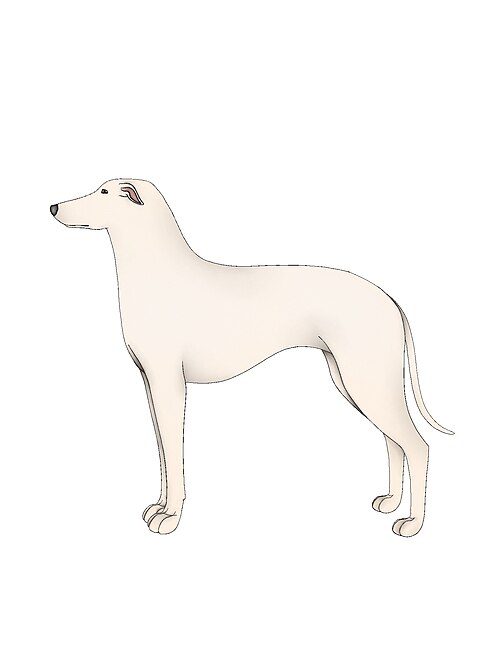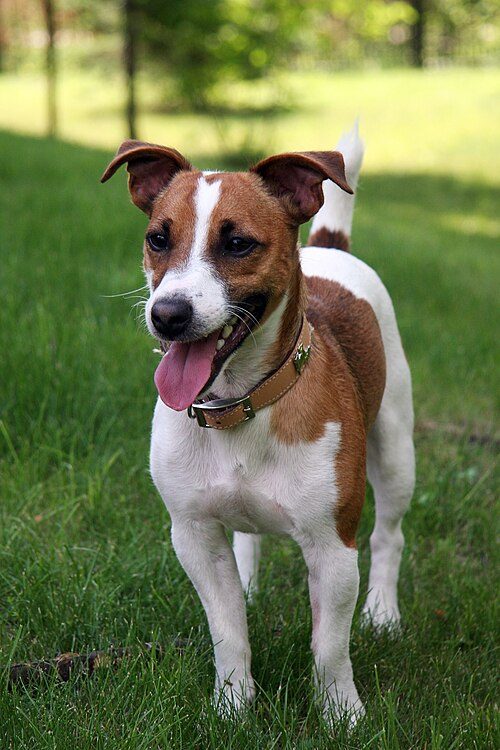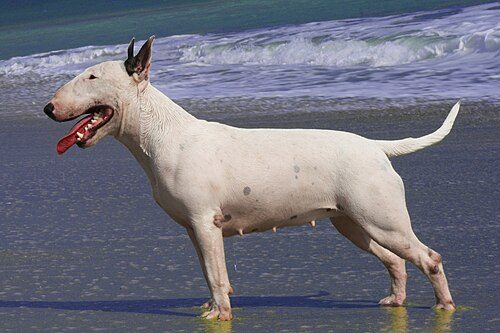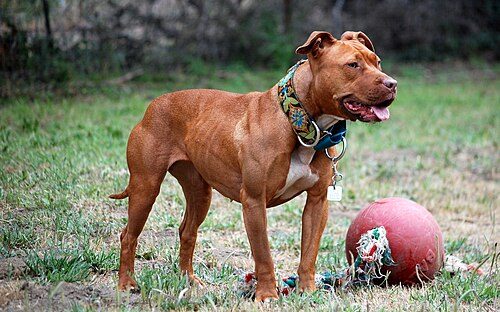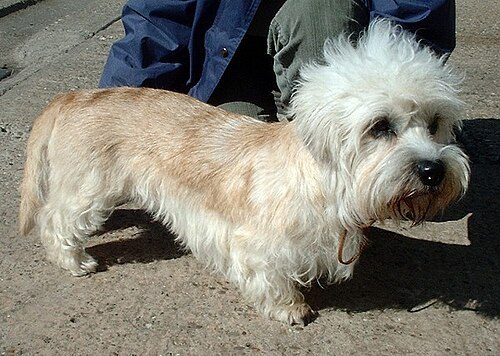
Dandie Dinmont Terrier
| Size at withers | 20-28 cm |
|---|---|
| Weight range | 8-11 kg |
| Life expectancy | 12-15 years |
| Size class | Toy (< 10 kg) |
| Normal resting vitals | Heart rate 90–140 bpm · Respiration 15–30/min · Temperature 38.3–39.2 °C |
| Temperament | Dignified, affectionate and independent; the topknot-crowned gentleman of terriers |
| Common health issues | Intervertebral disc disease (long back); glaucoma; hypothyroidism; canine epileptoid cramping |
| Exercise needs | Moderate - 30-45 min/day; discourage jumping |
| Climate & housing suitability | Moderate - the pily double coat needs regular grooming; avoid heat stress and provide shade in warm weather. |
| Owner notes | Named after a character in Sir Walter Scott's novel Guy Mannering; a vulnerable breed. |
Origin and purpose
Terrier (AKC); FCI Group 3. Origin: Scottish/English Borders; badger and otter terrier.
Named after a character in Sir Walter Scott's novel Guy Mannering; a vulnerable breed.
What a breed was built to do explains most of what it will do in your home. A dog selected for hundreds of years to run, guard, herd, or hunt does not stop wanting to because it now lives in an apartment — the drive is the breed, and the owner's job is to give it somewhere to go.
Temperament and training
Stated temperament: Dignified, affectionate and independent; the topknot-crowned gentleman of terriers
This is an independent-minded breed that was developed to make its own decisions, and it will not work for you simply because you asked. That is not stubbornness or stupidity — it is the trait the breed was selected for. Training must be genuinely rewarding to the dog, and expectations of instant, military obedience are misplaced. Recall, in particular, is often unreliable in these breeds; be honest about that before letting one off-lead near traffic.
Conditions this breed is predisposed to
Intervertebral disc disease (IVDD)
Glaucoma
Hypothyroidism
Health screening — what to test, and when
| Screen for | Test | When |
|---|---|---|
| Glaucoma | Eye-pressure measurement (tonometry); gonioscopy in predisposed breeds | Annually; IMMEDIATELY on a painful, red, cloudy eye — glaucoma blinds fast |
| Hypothyroidism | Thyroid blood panel | On unexplained weight gain, coat loss, or lethargy; annually in predisposed breeds |
| Intervertebral disc disease (IVDD) | DNA test for the chondrodystrophy variant; imaging if signs appear | DNA once; imaging urgently on any back pain or hind-limb weakness |
Every dog, every breed: an annual health examination (twice yearly from seven years), body-condition scoring at each visit, dental assessment, year-round parasite control, and the core vaccinations.
For breeders — test before you mate
- Glaucoma — Eye-pressure measurement (tonometry); gonioscopy in predisposed breeds
- Hypothyroidism — Thyroid blood panel
- Intervertebral disc disease (IVDD) — DNA test for the chondrodystrophy variant; imaging if signs appear
Feeding
Small stomachs, fast metabolisms. Feed a diet formulated for small breeds, split across three or four meals a day as a puppy and two as an adult; toy puppies can become dangerously hypoglycaemic if a meal is missed. Portions are tiny, which means treats and table scraps overwhelm the daily allowance startlingly fast — a single biscuit can be a meaningful share of a 4 kg dog's intake. Dental disease is near-universal in small breeds, so ask your vet about diet texture and dental care from the start.
Exercise and enrichment
Stated requirement: Moderate - 30-45 min/day; discourage jumping
Moderate daily exercise plus mental stimulation. Adaptable to apartment life provided the daily walk actually happens every day.
Climate and living conditions
Stated suitability: Moderate - the pily double coat needs regular grooming; avoid heat stress and provide shade in warm weather.
Ageing and senior care
Life expectancy: 12-15 years. This dog is a senior from around 9–10 years, at which point wellness examinations should move to twice a year and senior blood and urine screening begins. Small dogs age slowly and often live into their mid-teens. Dental disease and heart-valve disease are the two things that most often shorten a small dog's life, and both are catchable early. Senior care →
Before you take one home
- Ask the breeder for the health-test results listed above — for BOTH parents, on paper, before you pay a deposit. A breeder who has done the tests will be proud to show you; one who deflects, or who tells you the tests are unnecessary in this line, is telling you what you need to know.
- Consider adoption. Shelters and rescues have dogs of every kind, including purebreds, and the local native or landrace dog is often healthier, better adapted to its climate, and more in need of a home than almost anything you can buy. See Part XII.